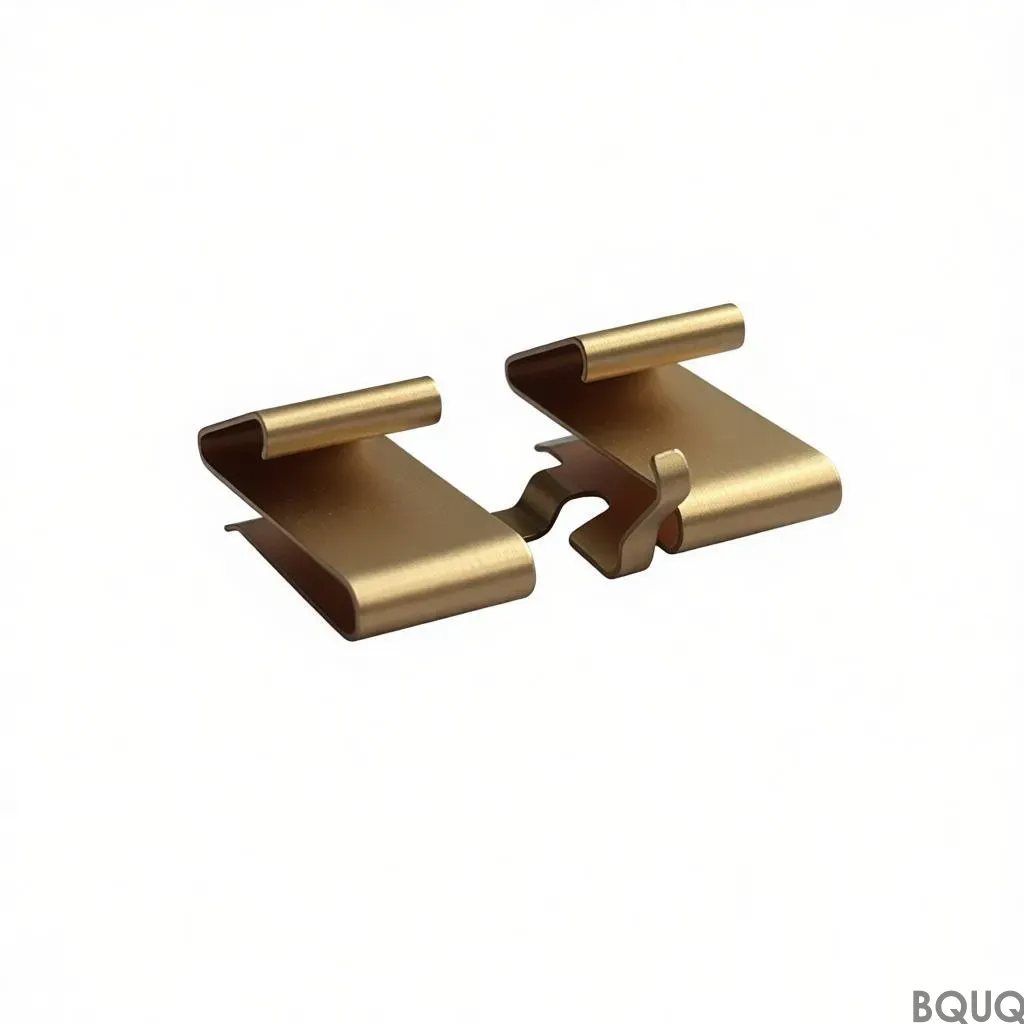

如何选择金属冲压材料厚度:规格选择指南
Aug 23,2026

如何选择金属冲压材料厚度:规格选择指南

选择正确的金属冲压材料厚度,需要在功能载荷要求、材料成本、成形极限和可用冲床吨位之间取得平衡。选择过程受黑色金属和有色金属的标准规格号(Gauge Number)支配,其中规格号越低表示板材越厚,而您的最终选择必须根据冲压模具的弯曲半径和零件的尺寸公差进行验证。对于大多数精密应用而言,这意味着直接以毫米或英寸为单位指定厚度,而不是仅仅依赖规格号,因为规格标准因材料类型和地区标准而异。

规格号如何转换为以毫米为单位的实际厚度?

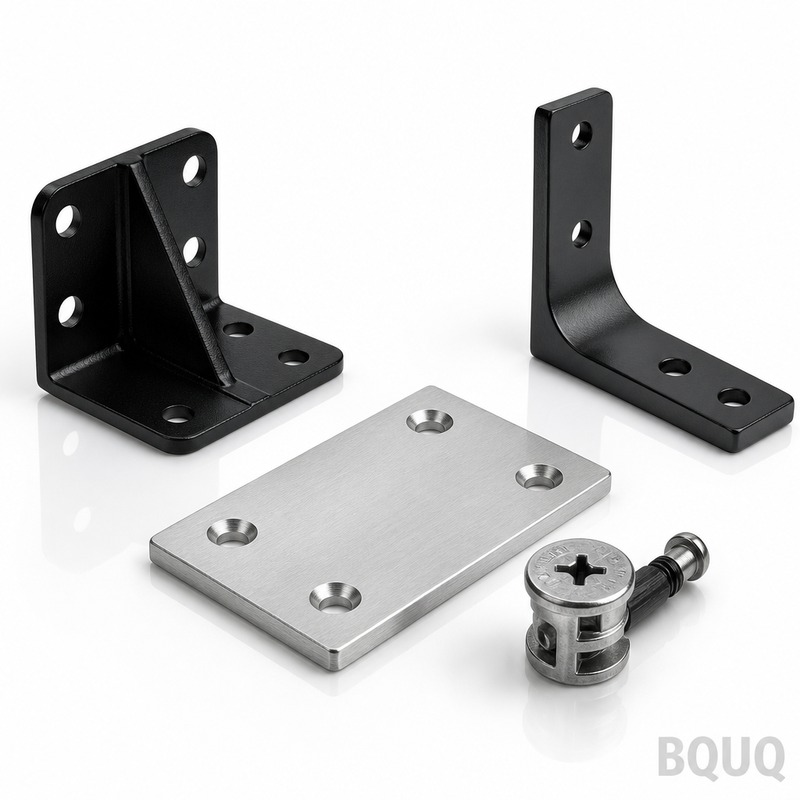
规格系统是一种历史标准,其规格号与厚度成反比,但并非对所有金属都通用。对于标准钢(SAE J403),16号板材厚度为0.0598英寸(1.519毫米),而16号铝(AA)厚度为0.0508英寸(1.290毫米),16号铜则为0.0625英寸(1.588毫米)。这种差异意味着您必须始终根据您打算冲压的合金所对应的特定ASTM或SAE标准来确认材料规格,切勿假设规格号可以在不同金属类别之间转换。在BQUQ的CNC加工和冲压操作中,我们建议工程师在技术图纸上以毫米为单位指定厚度,并将规格号仅作为标准库存可用性的参考。
如何选择金属冲压材料厚度:规格选择指南

冲压中给定弯曲半径的最小厚度是多少?

冲压件的最小弯曲半径与材料厚度及其延展性成正比。对于低碳钢(AISI 1008-1010),当垂直于轧制方向弯曲时,最小弯曲半径通常为材料厚度的0.5倍,但平行于轧制方向弯曲时,该值增加到厚度的1.0倍。对于高碳弹簧钢(例如1075),最小弯曲半径跃升至厚度的3.0至4.0倍,这使得在不进行预热或使用更大半径的情况下,难以形成紧密的90度翻边。作为经验法则,如果您的设计要求304不锈钢的弯曲半径小于板材厚度的1.5倍,则存在开裂风险,因此您应该增大半径,或者选择具有更高延伸率(通常大于40%)的更薄规格。

材料厚度如何影响所需冲床吨位?

冲床吨位随材料厚度线性增加,但该关系也受剪切强度和切割线长度的影响。对于简单的落料操作,所需力(以吨为单位)可通过将材料厚度(英寸)乘以剪切强度(PSI)再乘以周长(英寸),然后除以2000来估算。例如,从0.060英寸厚的304不锈钢(剪切强度65,000 PSI)上落料一个2英寸直径的圆片,大约需要12.3吨的力,而相同零件在0.030英寸厚度下仅需6.1吨。具有紧密步距(例如2.0毫米)的级进模可能需要额外30%的吨位用于脱料和下压成形操作,因此您的冲床选择必须在计算出的峰值力基础上至少包含15%的安全余量。
如何选择金属冲压材料厚度:规格选择指南

哪些材料厚度范围最适合不同的冲压应用?

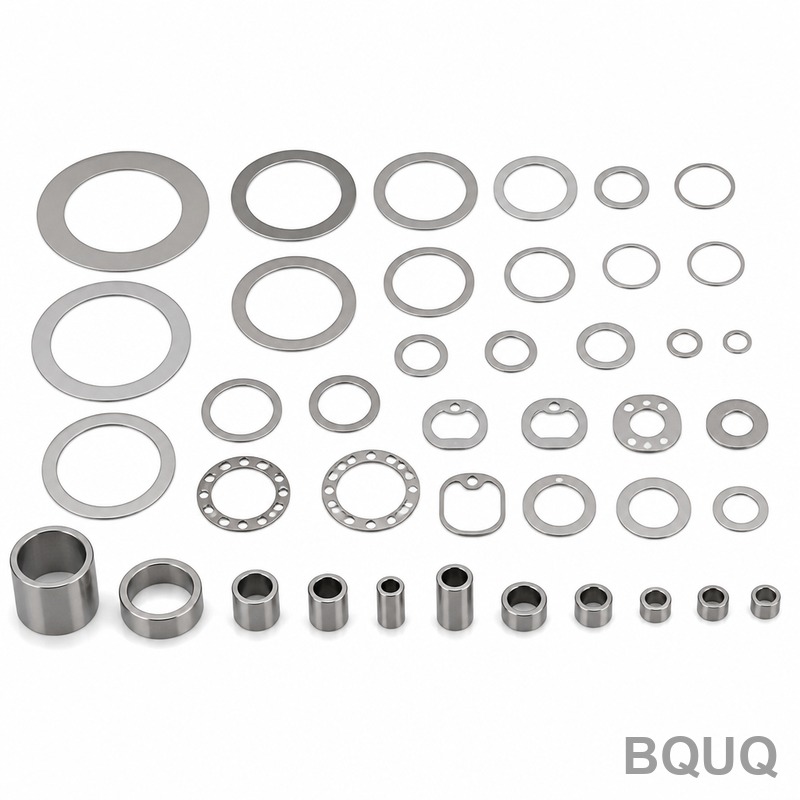
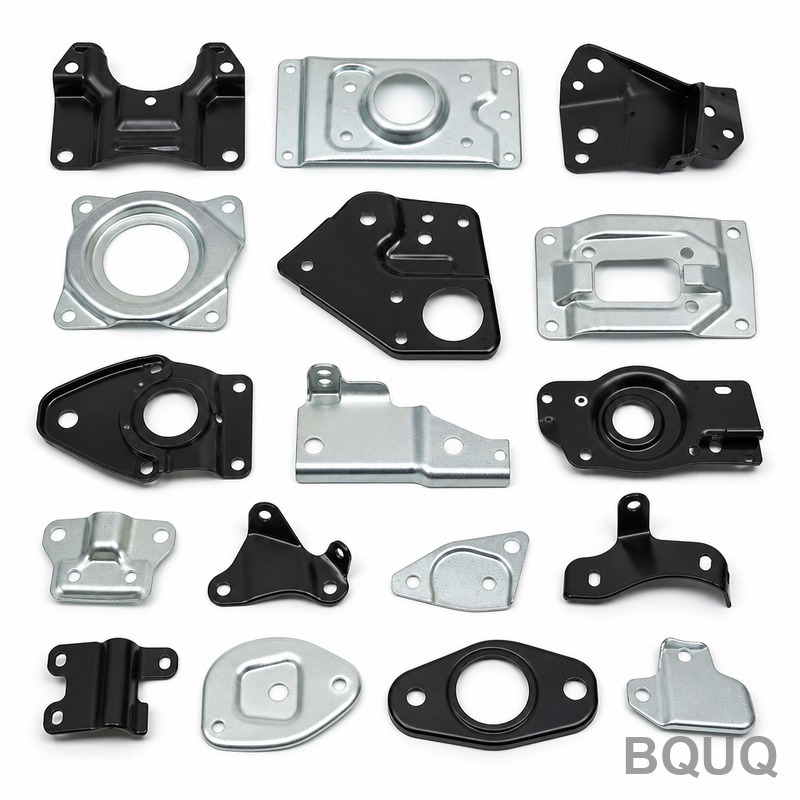
厚度选择由特定应用的机械需求驱动,我们将典型范围分为三个操作区间。对于精密电子屏蔽和散热器翅片,最佳范围为0.2毫米至0.8毫米,在此范围内可实现+/- 0.02毫米的精冲公差,且材料成本最低。对于结构支架和汽车安装板,范围延伸至1.0毫米至3.0毫米,在刚性与深拉延成形而不撕裂的能力之间取得平衡。重型工业部件,如弹簧夹和散热器底座,需要3.0毫米至6.0毫米的厚度,但这些需要更高吨位的冲床(200吨以上),并且通常需要采用多步成形的级进模以避免加工硬化。

材料类型规格范围厚度范围(毫米)典型冲压应用可实现公差(+/- 毫米)相对成本系数
标准钢(冷轧)26至100.45至3.40外壳、支架、散热器框架0.051.0
不锈钢30426至120.45至2.60医疗器械、食品设备、散热器0.082.2
铝505220至80.81至4.06电子机箱、散热器翅片0.101.8
铜C1100024至120.51至2.60电连接器、母线0.043.5
弹簧钢107522至140.70至1.90卡夹、弹簧、垫圈0.062.0
黄铜C2600024至120.51至2.60端子、装饰件0.053.0

随着材料厚度增加,公差如何变化?

随着材料厚度的增加,由于冲压过程中更大的回弹和热变形,尺寸公差会扩大。对于1.0毫米以下的板材,典型线性公差可保持在+/- 0.05毫米,但对于1.0毫米至3.0毫米之间的厚度,标准公差放宽至+/- 0.10毫米,而超过3.0毫米时,公差扩大到+/- 0.20毫米,除非您采用压印(Coining)工艺。孔与孔之间的中心距公差也随厚度增加而变差;0.5毫米厚的零件可以保持+/- 0.03毫米的中心距公差,而4.0毫米厚的零件可能仅能达到+/- 0.15毫米。如果您的设计需要在厚材料上实现严格公差,则必须指定冲压后的二次加工,如钻孔或铰孔,这会使单位成本增加15%至25%。
如何选择金属冲压材料厚度:规格选择指南

为什么材料厚度会影响模具设计中的回弹补偿?

回弹是金属在成形载荷移除后的弹性恢复,其幅度随屈服强度升高以及相对于弯曲半径更薄的截面而增大。对于屈服强度为500 MPa的高强度钢,1.0毫米厚的板材在90度弯曲时可能表现出3至5度的回弹角,而相同材料的3.0毫米厚板材可能仅表现出1至2度。这是因为较厚的截面具有更高的惯性矩,能更有效地抵抗弹性恢复。为了补偿,模具设计师必须按预测的回弹角对材料进行过弯,这通常使用弯曲余量公式计算,该公式考虑了厚度、半径和K因子(厚度低于1.0毫米时通常为0.33,厚度超过3.0毫米时为0.40)。

能否在不重新设计冲压模具的情况下更换材料厚度?

即使小幅更换厚度,例如从1.2毫米改为1.5毫米,通常也需要修改模具或使用全新的模具组,而不仅仅是替换材料。冲头与凹模之间的模具间隙必须设置为每侧材料厚度的10%至15%;对于1.2毫米钢,间隙为0.12至0.18毫米,而对于1.5毫米钢,间隙为0.15至0.225毫米。如果您将较厚的材料通过为较薄材料设计的模具,将会出现 excessive 毛刺高度(超过厚度的10%)和冲头加速磨损。相反,在为较厚材料设计的模具中冲压较薄材料会导致零件变形和尺寸精度差,因此在进行任何规格替换之前,您必须始终验证模具的设计厚度范围。

薄型和厚型冲压材料之间的成本差异是什么?

材料成本大致随厚度线性增加,但二次成本如模具磨损、冲床时间和精加工则以更高的速率增加。1.0毫米冷轧钢板的成本约为每公斤0.85美元,而3.0毫米板材每公斤成本相同,但材料体积是其三倍,实际上使每个零件的原材料成本增加了两倍。模具磨损也更为剧烈;3.0毫米钢上的冲头寿命约为1.0毫米钢上寿命的60%,这意味着您需要更频繁地更换冲头,每个冲头成本为120至350美元。对于超过100,000件的高产量生产,选择满足结构要求的更薄规格,考虑到更低的运输重量和更少的精加工时间,可以将总零件成本降低30%至45%。

常见问题解答

电子行业精密金属冲压最常见的厚度范围是多少?

精密电子冲压最常见的厚度范围是0.2毫米至0.8毫米,这可以实现+/- 0.02毫米的精冲公差,并支持复杂的散热器翅片几何形状。该范围在屏蔽罩和连接器外壳的成形性与结构刚性之间取得了平衡。我们建议在批量生产前从0.4毫米开始进行原型验证。

如何确定必须恢复原状的弹簧的正确规格?

对于弹簧,您应选择最大弯曲应力低于材料拉伸屈服强度60%的材料厚度,以确保弹性恢复。例如,对于弹簧钢1075(屈服强度1,100 MPa),对于直径为10毫米的螺旋弹簧,0.8毫米的厚度通常是最佳的。使用有限元分析来模拟应力分布,并调整厚度,直到回弹比超过95%。

对于冲压散热器底座,我应该指定何种厚度公差?

对于需要平整度以应用导热界面材料的冲压散热器底座,对于2.0毫米以下的材料,指定厚度公差为+/- 0.05毫米,对于较厚的底座,公差为+/- 0.10毫米。更严格的底座公差可改善热接触,但会使冲压成本增加约10%。务必要求冲压后进行表面平整度检查,因为残余应力可能导致翘曲。

何时应使用热轧钢而不是冷轧钢进行冲压?

对于厚度超过3.0毫米且表面光洁度要求不高的应用,请使用热轧钢(HR),因为它比冷轧钢(CR)便宜10%至15%。对于厚度低于3.0毫米且需要更好尺寸精度和更光滑表面以进行喷漆或电镀的应用,请使用冷轧钢。热轧钢在高温下还表现出更高的延展性,但在精密冲压前需要进行酸洗以去除氧化皮。

我可以在承载的结构冲压应用中使用铝吗?

是的,铝5052可用于结构应用,但由于其弹性模量较低(70 GPa对比200 GPa),与钢相比,您必须将厚度增加1.5至2.0倍才能匹配相同的弯曲刚度。对于需要1.0毫米钢的支架,您需要1.8毫米的铝才能实现等效的抗挠度性能。这种厚度增加可能会抵消任何重量节省,因此请仔细评估具体的载荷情况。

级进模可以冲压的最大厚度是多少?

级进模冲压的最大实际厚度对于钢为6.0毫米,对于铝为4.0毫米,超过此范围,模具复杂性和冲床吨位将变得过高。对于更厚的材料,传递模或热冲压工艺更为经济,因为它允许分设加热和成形工位。在BQUQ,我们已使用400吨冲床和传递模冲压过厚度达8.0毫米的钢材。

为确保您的下一个项目在性能与成本之间实现最佳平衡,请联系我们的工程团队进行材料厚度审查。我们为新设计提供12小时报价,并可根据您的特定载荷、公差和数量要求提供规格选择建议。请通过 sc@bquq.com 或 WhatsApp +86 13713157787 联系我们,并访问 www.bquq.com 获取更多技术资源。

相关阅读


联系我们报价
获取报价
我们使用cookie来改善您的在线体验。继续浏览本网站即表示您同意我们使用cookie

Cookies

Please read our Terms and Conditions and this Policy before accessing or using our Services. If you cannot agree with this Policy or the Terms and Conditions, please do not access or use our Services. If you are located in a jurisdiction outside the European Economic Area, by using our Services, you accept the Terms and Conditions and accept our privacy practices described in this Policy.
We may modify this Policy at any time, without prior notice, and changes may apply to any Personal Information we already hold about you, as well as any new Personal Information collected after the Policy is modified. If we make changes, we will notify you by revising the date at the top of this Policy. We will provide you with advanced notice if we make any material changes to how we collect, use or disclose your Personal Information that impact your rights under this Policy. If you are located in a jurisdiction other than the European Economic Area, the United Kingdom or Switzerland (collectively “European Countries”), your continued access or use of our Services after receiving the notice of changes, constitutes your acknowledgement that you accept the updated Policy. In addition, we may provide you with real time disclosures or additional information about the Personal Information handling practices of specific parts of our Services. Such notices may supplement this Policy or provide you with additional choices about how we process your Personal Information.


Cookies

Cookies are small text files stored on your device when you access most Websites on the internet or open certain emails. Among other things, Cookies allow a Website to recognize your device and remember if you've been to the Website before. Examples of information collected by Cookies include your browser type and the address of the Website from which you arrived at our Website as well as IP address and clickstream behavior (that is the pages you view and the links you click).We use the term cookie to refer to Cookies and technologies that perform a similar function to Cookies (e.g., tags, pixels, web beacons, etc.). Cookies can be read by the originating Website on each subsequent visit and by any other Website that recognizes the cookie. The Website uses Cookies in order to make the Website easier to use, to support a better user experience, including the provision of information and functionality to you, as well as to provide us with information about how the Website is used so that we can make sure it is as up to date, relevant, and error free as we can. Cookies on the Website We use Cookies to personalize your experience when you visit the Site, uniquely identify your computer for security purposes, and enable us and our third-party service providers to serve ads on our behalf across the internet.

We classify Cookies in the following categories:
 ●  Strictly Necessary Cookies
 ●  Performance Cookies
 ●  Functional Cookies
 ●  Targeting Cookies


Cookie List
A cookie is a small piece of data (text file) that a website – when visited by a user – asks your browser to store on your device in order to remember information about you, such as your language preference or login information. Those cookies are set by us and called first-party cookies. We also use third-party cookies – which are cookies from a domain different than the domain of the website you are visiting – for our advertising and marketing efforts. More specifically, we use cookies and other tracking technologies for the following purposes:

Strictly Necessary Cookies
These cookies are necessary for the website to function and cannot be switched off in our systems. They are usually only set in response to actions made by you which amount to a request for services, such as setting your privacy preferences, logging in or filling in forms. You can set your browser to block or alert you about these cookies, but some parts of the site will not then work. These cookies do not store any personally identifiable information.

Functional Cookies
These cookies enable the website to provide enhanced functionality and personalisation. They may be set by us or by third party providers whose services we have added to our pages. If you do not allow these cookies then some or all of these services may not function properly.

Performance Cookies
These cookies allow us to count visits and traffic sources so we can measure and improve the performance of our site. They help us to know which pages are the most and least popular and see how visitors move around the site. All information these cookies collect is aggregated and therefore anonymous. If you do not allow these cookies we will not know when you have visited our site, and will not be able to monitor its performance.

Targeting Cookies
These cookies may be set through our site by our advertising partners. They may be used by those companies to build a profile of your interests and show you relevant adverts on other sites. They do not store directly personal information, but are based on uniquely identifying your browser and internet device. If you do not allow these cookies, you will experience less targeted advertising.

How To Turn Off Cookies
You can choose to restrict or block Cookies through your browser settings at any time. Please note that certain Cookies may be set as soon as you visit the Website, but you can remove them using your browser settings. However, please be aware that restricting or blocking Cookies set on the Website may impact the functionality or performance of the Website or prevent you from using certain services provided through the Website. It will also affect our ability to update the Website to cater for user preferences and improve performance. Cookies within Mobile Applications

We only use Strictly Necessary Cookies on our mobile applications. These Cookies are critical to the functionality of our applications, so if you block or delete these Cookies you may not be able to use the application. These Cookies are not shared with any other application on your mobile device. We never use the Cookies from the mobile application to store personal information about you.

If you have questions or concerns regarding any information in this Privacy Policy, please contact us by email at . You can also contact us via our customer service at our Site.